

Data & Collaboration
The SwissCardIA database
SwissCardIA is creating a unique multimodal, longitudinal database of an asymptomatic population, combining clinical, imaging, biological and lifestyle data in order to characterise cardiovascular health at an early stage.
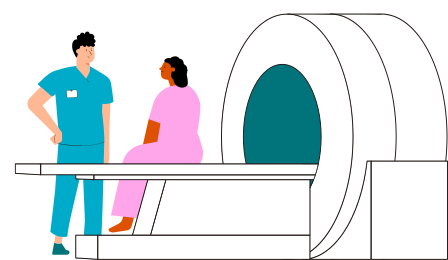
CARDIOVASCULAR IMAGING
- Coronary Computed Tomography Angiography (CCTA)
- Cardiac Magnetic Resonance Imaging (CMR)
- Carotid imaging via 3D Doppler-ultrasound (US)

QUANTITATIVE LIFESTYLE DATA
- 3-month long monitoring of physical activity, heart rate and sleep using a smartwatch
- Quantitative macro-nutritional assessment (MyFoodRepo, Swiss-eFFQ)
- Advanced sleep recording via ambulatory polysomnography
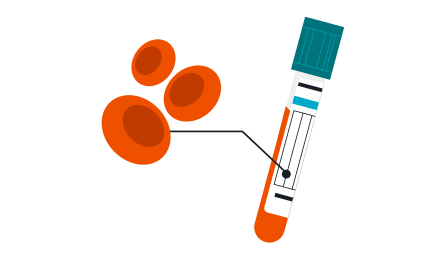
BLOOD BIOMARKERS
- Complete lipid panel
- Glycemic profile
- Renal function
- Inflammation markers
- Hormonal status

VITAL SIGNS, ANTRHOPOMETRY, AND MEDICAL HISTORY
- Cardiovascular risk factors
- Height, weight, neck circumference, waist circumference, body composition
- Blood pressure, ankle-brachial index
- Electrophysiology (12-lead ECG)
- Personal and familial medical history
- Medication

HEALTH & LIFESTYLE QUESTIONNAIRES
- Socio-demographics
- Quality of life
- Mental health
- Physical activity
- Sleep habits and sleep quality
- Nutrition
- Alcohol consumption
- Tobacco consumption
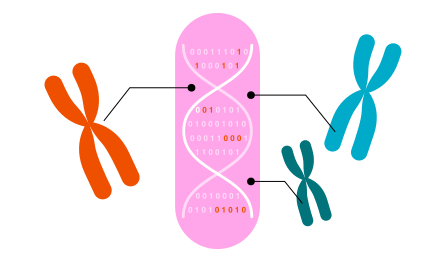
MULTI-OMICS
- Genomics
- Metabolomics
- Transcriptomics
- Proteomics
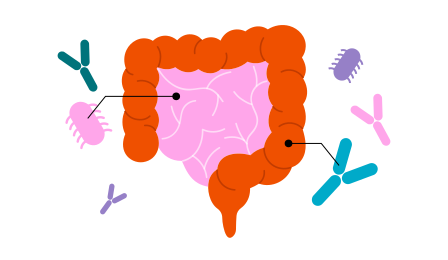
GUT MICROBIOTA
- Analysis of gut microbiota composition from stool samples
Biobank
The SwissCardIA biobank is a structured repository of blood samples collected from participants who have provided informed consent.
It represents a valuable scientific resource for improving our understanding of the mechanisms underlying cardiovascular disease and for developing new strategies for prevention and treatment.
Samples are collected, processed, and stored under secure and standardized conditions. Part of the biological material is used for analyses planned as part of the SwissCardIA project, while the remaining samples will be preserved for future research conducted at the partnering institutions (CHUV, HUG, EPFL) or in collaboration with certified laboratories, in strict accordance with applicable ethical and regulatory requirements.
By combining high-quality biological samples with the associated clinical data, the biobank will support innovative research, including in genomics and precision medicine. It will contribute to addressing important research questions and to advancing more personalized approaches to cardiovascular prevention.
Data protection
The data collected as part of the study are treated as strictly confidential and handled in accordance with applicable legislation.
The study has been approved by the competent research ethics authorities (swissethics authorisation #2026-00572), including the Cantonal Ethics Committees for Research Involving Human Subjects of the cantons of Vaud (CER-VD) and the canton of Geneva (CCER).
The data collected as part of the study is coded, meaning that they cannot be directly linked to participants’ identities without access to a separate identifying key. Only a limited number of authorised members of the research team have access to identifying information, in accordance with professional confidentiality requirements.
For scientific collaborations, only coded or anonymised data are shared. Participant’s names or other directly identifying information will never appear in scientific publications resulting from the study.
Access to data
At this stage, SwissCardIA data are not pubicly accessible.
A structured access framework is currently being developed to support future scientific collaborations, in accordance with the project’s governance.
Collaboration
We welcome opportunities to collaborate with researchers whose expertise and scientific interests align with SwissCardIA. Collaborative projects may be considered within the study’s governance framework and subject to scientific review.
We invite researchers wishing to collaborate on the project to contact us at: collaborations@swisscardia.ch